 4.6
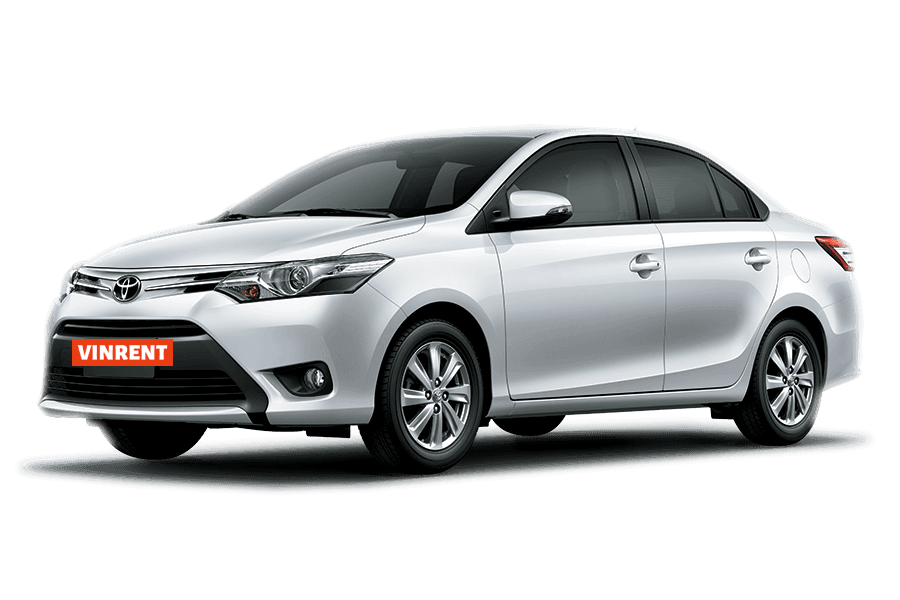
4.6Toyota Vios2022
19 reviewsor similar Sedan
Automatic5 seats2 bags4 doors
Low deposit200 km/day included (+200 / +400 km packs)Instant confirmationFree cancellation
USB chargingBluetoothReverse camera
From
500,000 ₫ / day
Saigon by car: the city is for two wheels, the country beyond it is for four
Self-drive guide: prices by day, week and monthStaying a month or longer? Long-term rental Ho Chi Minh City
29 cars available for rent
4.6or similar Sedan
From
500,000 ₫ / day
 4.7
4.7or similar Sedan
From
557,000 ₫ / day
 4.9
4.9or similar Sedan
From
607,000 ₫ / day
 4.3
4.3or similar SUV
From
679,000 ₫ / day
 4.3
4.3or similar Van
From
643,000 ₫ / day
 4.8
4.8or similar economy
From
486,000 ₫ / day
 4.6
4.6or similar Sedan
From
607,000 ₫ / day
 5.0
5.0or similar Van
From
664,000 ₫ / day
 4.8
4.8or similar Van
From
643,000 ₫ / day
 4.7
4.7or similar Van
From
643,000 ₫ / day
 4.3
4.3or similar Sedan
From
639,000 ₫ / day
 4.7
4.7or similar Sedan
From
639,000 ₫ / day
 5.0
5.0or similar SUV
From
679,000 ₫ / day
 4.3
4.3or similar SUV
From
639,000 ₫ / day
 5.0
5.0or similar SUV
From
2,571,000 ₫ / day
 5.0
5.0or similar Van
From
679,000 ₫ / day
 4.8
4.8or similar SUV
From
679,000 ₫ / day
 5.0
5.0or similar Van
From
636,000 ₫ / day
 4.8
4.8or similar Sedan
From
607,000 ₫ / day
 4.7
4.7or similar economy
From
557,000 ₫ / day
 4.5
4.5or similar SUV
From
736,000 ₫ / day
 4.7
4.7or similar Sedan
From
607,000 ₫ / day
 5.0
5.0or similar Sedan
From
607,000 ₫ / day
 5.0
5.0or similar SUV
From
736,000 ₫ / day
 4.5
4.5or similar economy
From
557,000 ₫ / day
 4.8
4.8or similar Van
From
643,000 ₫ / day
 4.8
4.8or similar SUV
From
639,000 ₫ / day
 4.6
4.6or similar SUV
From
639,000 ₫ / day
 Electric4.9
or similar economy
From
479,000 ₫ / day
Pick a plan at checkout — Premium needs no deposit.
Collect free in Nha Trang; airport & hotel delivery for a small fee.
Reach a real person on Telegram or Zalo.
See rental, extras, delivery and tax before you pay.
Cancel free within 24 hours of booking.
Well-maintained cars, checked before every trip.
Browse the fleet and pick the car that fits your trip.
Select your dates, add any extras, and confirm — no account needed.
Get your car at the airport or your hotel and hit the road.
Saigon by car: the city is for two wheels, the country beyond it is for four
Let us start with the advice that costs us a booking, because you will work it out on your second day anyway: inside District 1, a car is usually the slowest way to travel. Nine million motorbikes, one-way systems that send you three blocks out of your way, and parking that turns a ten-minute errand into half an hour. For dinner in Thao Dien or a museum on Le Duan, a taxi or a Grab beats your own car and costs less than the parking.
What a car is for in Saigon is everything the city is the gateway to. The Mekong Delta starts ninety minutes south. Vung Tau's beaches are two hours east on a genuinely good expressway. Mui Ne is a morning's drive. Da Lat is a day, climbing from the heat into pine forest. None of that works on someone else's timetable, and all of it works with your own car and a boot.
At Tan Son Nhat Airport. Seven kilometres from the centre and the busiest airport in the country. Send us your flight number and the car is waiting — worth more here than anywhere else we serve, because the taxi queue at Terminal 2 after a late arrival is its own kind of holiday memory.
At your address. A hotel in District 1, an apartment in Thao Dien, a serviced flat in Phu Nhuan — tell us where and when.
At our Saigon office. VinRent Office Saigon, 102 Phổ Quang, is open 08:00–20:00 every day. Airport and hotel handovers carry a delivery fee that is in the total before you confirm, never a surprise at the kerb. Book ahead for peak dates and for specific models.
The Mekong Delta. My Tho and Ben Tre are ninety minutes out; Can Tho and its floating market are three to four hours. Leave before six if you want the market rather than the photograph of where it was.
Vung Tau. Two hours on the CT01 expressway, and the drive itself is easy — the beach town at the end is where Saigon goes at the weekend, so go on a weekday if you can.
Cu Chi tunnels. An hour and a half northwest, and much better as your own half-day than as a coach trip that arrives when forty other coaches do.
Mui Ne. Four to five hours east along the coast: dunes, seafood, and a road that gets prettier the further you go.
Da Lat. Six to seven hours north, climbing to 1,500 metres. Most people fly it. Driving it is better, and if you are ending your trip up there we can take the car back from the plateau.
Leave against the tide. The city empties southwest on Friday evening and refills on Sunday night. An hour's difference in departure is often two hours' difference in arrival.
Motorbikes flow, they do not queue. They will fill any gap you leave and pass on both sides. Signal early, move slowly and predictably, and do not stop suddenly — the rider behind you is closer than mirrors suggest.
The expressways are the easy part. CT01 to Vung Tau and the road to the Delta are wide, paved and well signed. It is the first and last twenty minutes, inside the city, that take the effort.
Rain arrives on schedule. From May to November it comes in the afternoon, hard and brief, and some streets flood ankle-deep for an hour. Plan the driving for the morning.
Parking. Hotels and malls have basements; the street mostly does not. Ask your hotel before you arrive whether they park cars or only motorbikes — the answer is not always the one you expect.
For a couple heading to the Delta or the coast, an economy car is enough and easier to place in a hotel basement.
For a family, or four adults with luggage on the Mui Ne or Da Lat run, take the seven-seater. The distances here are the longest of any city we serve, and legroom stops being a luxury after the third hour.
For the long inland climbs, an automatic and a comfortable cruise are worth more than power.
Your national driving licence together with an International Driving Permit, and your passport. There is a minimum driver age, and the protection options and the deposit are set out during booking, so the cost is settled before you pay anything.
December to April is the dry season — hot, bright, and the roads out of town are at their best.
May to November brings the afternoon rain. It rarely ruins a day, but it reshapes one: drive early, eat late.
Tet empties the city and fills every road out of it. Beautiful and completely booked; plan months ahead if it is your window.
Take the car in Ho Chi Minh City and leave it in Nha Trang (one-way fee 1,000,000 ₫), Da Lat (1,500,000 ₫) or Da Nang (4,500,000 ₫). The fee is shown in the total before you pay. Routes, timings and prices are in our Saigon self-drive guide.
Travelling with family or a lot of luggage? Seven-seat options include Toyota Fortuner, Hyundai Santa Fe, Mitsubishi Xpander, Toyota Veloz, Suzuki XL7 and Kia Sedona. Use the "7 seats" filter in the catalogue above.
Inside District 1, usually not — motorbike traffic, one-way systems and scarce street parking make a taxi faster and cheaper for short hops. A car earns its keep on what the city is a gateway to: the Mekong Delta ninety minutes south, Vung Tau two hours east, Mui Ne along the coast, Da Lat up in the hills. We would rather say that than sell you a car you park all week.
Yes. Send your flight number and the car is waiting when you land, which is worth more here than anywhere else we serve. Delivery to a hotel or apartment works the same way. You can also collect from VinRent Office Saigon, 102 Phổ Quang (08:00–20:00 daily). Book ahead for peak dates; the delivery price is in the total before you confirm.
My Tho and Ben Tre are about ninety minutes south. Can Tho and its floating market are three to four hours — and if the market is the point, leave before six, because it winds down by mid-morning. The roads are wide and well signed; the slow part is the first twenty minutes getting out of the city.
It asks for patience rather than skill. Motorbikes flow rather than queue: they fill any gap and pass on both sides, so signal early, move slowly and predictably, and avoid sudden stops. The expressways out of town are wide and easy — the effort is the first and last twenty minutes inside the city. From May to November plan the driving for the morning, since the afternoon rain floods some streets for an hour.
An International Driving Permit (IDP, 1968 Vienna Convention) together with your national licence, or a licence issued by an ASEAN member state — plus your passport. There is a minimum driver age, and the protection options and the deposit are set out during booking, so the cost is settled before you pay anything.