 4.6
4.6Toyota Vios2022
19 reviewsor similar Sedan
Automatic5 seats2 bags4 doors
Low deposit200 km/day included (+200 / +400 km packs)Instant confirmationFree cancellation
USB chargingBluetoothReverse camera
From
500,000 ₫ / day
Da Nang by car: a mountain pass on one side, a marble mountain on the other
Staying a month or longer? Long-term rental Da Nang
29 cars available for rent
4.6or similar Sedan
From
500,000 ₫ / day
 4.7
4.7or similar Sedan
From
557,000 ₫ / day
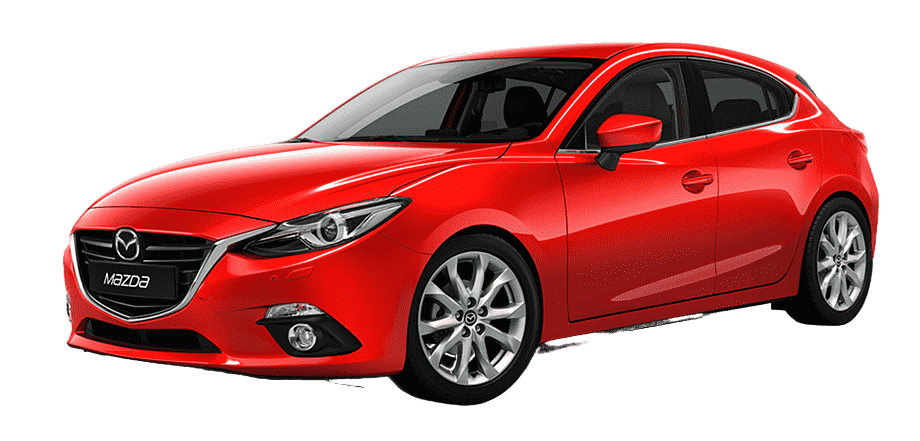 4.9
4.9or similar Sedan
From
607,000 ₫ / day
 4.3
4.3or similar SUV
From
679,000 ₫ / day
 4.3
4.3or similar Van
From
643,000 ₫ / day
 4.8
4.8or similar economy
From
486,000 ₫ / day
 4.6
4.6or similar Sedan
From
607,000 ₫ / day
 5.0
5.0or similar Van
From
664,000 ₫ / day
 4.8
4.8or similar Van
From
643,000 ₫ / day
 4.7
4.7or similar Van
From
643,000 ₫ / day
 4.3
4.3or similar Sedan
From
639,000 ₫ / day
 4.7
4.7or similar Sedan
From
639,000 ₫ / day
 5.0
5.0or similar SUV
From
679,000 ₫ / day
 4.3
4.3or similar SUV
From
639,000 ₫ / day
 5.0
5.0or similar SUV
From
2,571,000 ₫ / day
 5.0
5.0or similar Van
From
679,000 ₫ / day
 4.8
4.8or similar SUV
From
679,000 ₫ / day
 5.0
5.0or similar Van
From
636,000 ₫ / day
 4.8
4.8or similar Sedan
From
607,000 ₫ / day
 4.7
4.7or similar economy
From
557,000 ₫ / day
 4.5
4.5or similar SUV
From
736,000 ₫ / day
 4.7
4.7or similar Sedan
From
607,000 ₫ / day
 5.0
5.0or similar Sedan
From
607,000 ₫ / day
 5.0
5.0or similar SUV
From
736,000 ₫ / day
 4.5
4.5or similar economy
From
557,000 ₫ / day
 4.8
4.8or similar Van
From
643,000 ₫ / day
 4.8
4.8or similar SUV
From
639,000 ₫ / day
 4.6
4.6or similar SUV
From
639,000 ₫ / day
 Electric4.9
or similar economy
From
479,000 ₫ / day
Pick a plan at checkout — Premium needs no deposit.
No office in this city — we bring the car to your address or the airport, price shown up front.
Reach a real person on Telegram or Zalo.
See rental, extras, delivery and tax before you pay.
Cancel free within 24 hours of booking.
Well-maintained cars, checked before every trip.
Browse the fleet and pick the car that fits your trip.
Select your dates, add any extras, and confirm — no account needed.
Get your car at the airport or your hotel and hit the road.
Da Nang by car: a mountain pass on one side, a marble mountain on the other
Da Nang is the rare Vietnamese city where the good things are not in the city. The beach runs for kilometres, but the reasons to rent a car sit outside it: Hoi An's lanterns half an hour south, the Marble Mountains on the way there, Ba Na Hills up in the cloud to the west, and the Hai Van pass climbing north out of town — the road Top Gear called one of the best coastal drives in the world, and for once the description holds up.
The city itself is easy to drive. Wide boulevards, a grid you understand within a day, six bridges over the Han river and none of the old-quarter tangle that makes Hanoi a test of nerve. What makes a car worth it here is not the city — it is that everything worth seeing is twenty to fifty kilometres away in three different directions.
The Hoi An shuttle leaves when it leaves, and it leaves before the lanterns come on. Ba Na Hills tours put you on the cable car at the same hour as everyone else. With your own car you go to Hoi An for the evening, drive the Hai Van at eight in the morning while the pass is still empty and clear, and stop at the beach on the far side because nobody is waiting for you.
There is also the weather argument. Da Nang gets serious rain from September through November, and the difference between a car and a motorbike on a wet coastal road with truck traffic is not a matter of comfort.
At Da Nang International Airport. Ten minutes from the centre, one of the easiest airports in the country to get out of. Send your flight number and the car is waiting when you land.
At your address. Hotel on My Khe beach, apartment in Son Tra, a homestay in An Thuong — tell us where and when.
One thing said plainly, because it explains the cost. Our fleet is based in Nha Trang, and a Da Nang car is driven up the coast for you before your rental starts — a long day's work for a driver each way. That is why booking ahead matters more here than anywhere else we serve, and why the handover carries a price of its own, shown in the total before you confirm rather than sprung on you at the desk.
Hai Van pass — twenty kilometres of switchbacks climbing to the old French bunkers at the top, with the bay on one side and the mountains on the other. Most traffic takes the tunnel underneath, which means the pass itself is often quiet. Go early: the cloud that gives the pass its name ("ocean cloud") usually settles by midday.
Hoi An — thirty kilometres south on a fast coastal road. Park outside the old town, which is pedestrian in the evening, and walk in. Going by car means you leave when you want to, not when the last shuttle does.
The Marble Mountains — ten minutes off the Hoi An road, five limestone hills with caves and pagodas inside them. Worth an hour on the way past rather than a trip of its own.
Ba Na Hills and the Golden Bridge — up in the hills west of the city. The cable car does the climbing; the car gets you to the base station on your own schedule.
Further out, Hue is a two-hour drive over the pass, and the Phong Nha caves are a long but real day trip north.
The bridges get busy. The Dragon Bridge closes to traffic for the weekend fire show; plan around Saturday and Sunday evenings.
The Hai Van demands second gear, not brakes. Long descents on both sides — hold a low gear and let the engine do the work, or you will arrive at the bottom with nothing left in the pedal.
Rain season is real. From September to November the coastal road floods in places and the pass can close. Check before you set off; if the pass is shut, the tunnel is open.
Parking is simple by Vietnamese standards. Hotels have yards, the beach road has space, and Hoi An has paid lots on every approach.
Watch for sand. After a storm the coastal road carries sand across the tarmac in the same way mountain roads carry clay — slippery in exactly the places you are tempted to enjoy the view.
For a couple staying on the beach and driving to Hoi An, an economy car does everything you need and parks anywhere.
For a family, or for four adults with luggage doing the pass and Ba Na, a seven-seater is the difference between a good day and a cramped one.
If Hue and the pass are the point of the trip, take something with a comfortable cruise and an automatic gearbox — the switchbacks are more fun when you are not also managing a clutch.
Your national driving licence together with an International Driving Permit, and your passport. There is a minimum driver age, and the protection options and the deposit are laid out during booking, so nothing about the cost is a surprise at handover.
February to May is the best window: dry, warm, and the sea is calm enough to swim.
June to August is hot and busy — domestic holiday season, so book earlier than you think you need to.
September to November is the rainy season, with the heaviest weather in October. The city keeps working, but plan the pass and the mountains for the mornings.
Both. Send your flight number for an airport handover, or an address — hotel, apartment, homestay — and we bring the car to the door. Our fleet is based in Nha Trang and a Da Nang car is driven up the coast before your rental starts, a full day for a driver each way, so booking ahead matters more here than anywhere else we serve. The handover price is in the total before you confirm.
Not difficult, but it asks for a calm approach. It is twenty kilometres of switchbacks with long descents on both sides — hold a low gear and let the engine brake rather than riding the pedal. Go early: the sea cloud that gives the pass its name usually settles by midday. Most traffic uses the tunnel underneath, so the road itself is often quiet. In the rainy months the pass can close, and the tunnel stays open.
Yes, and they are the two drives most people rent for. Hoi An is about thirty kilometres south on a fast coastal road; park outside the old town, which is pedestrian in the evening. Hue is roughly two hours north over the Hai Van pass. Cars must stay in Vietnam, but everything from Phong Nha in the north to Quy Nhon in the south is fair game.
February to May: dry, warm and the sea is calm. June to August is hot and busy with domestic holidays, so book earlier than you think you need to. September to November is the rainy season, heaviest in October — the city carries on, but plan the pass and the mountains for the mornings.
An International Driving Permit (IDP, 1968 Vienna Convention) together with your national licence, or a licence issued by an ASEAN member state — plus your passport. There is a minimum driver age, and the protection options and the deposit are laid out during booking so you can see what you are agreeing to before paying anything.