 4.6
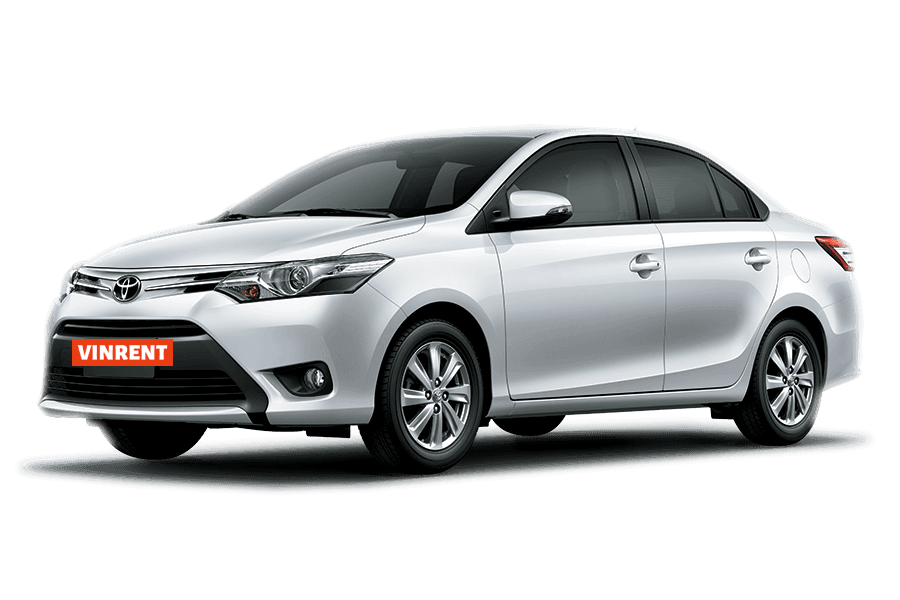
4.6Toyota Vios2022
19 reviewsor similar Sedan
Automatic5 seats2 bags4 doors
Low deposit200 km/day included (+200 / +400 km packs)Instant confirmationFree cancellation
USB chargingBluetoothReverse camera
From
500,000 ₫ / day
Da Lat by car: pine passes, coffee terraces and air you need a jacket for
Staying a month or longer? Long-term rental Da Lat
29 cars available for rent
4.6or similar Sedan
From
500,000 ₫ / day
 4.7
4.7or similar Sedan
From
557,000 ₫ / day
 4.9
4.9or similar Sedan
From
607,000 ₫ / day
 4.3
4.3or similar SUV
From
679,000 ₫ / day
 4.3
4.3or similar Van
From
643,000 ₫ / day
 4.8
4.8or similar economy
From
486,000 ₫ / day
 4.6
4.6or similar Sedan
From
607,000 ₫ / day
 5.0
5.0or similar Van
From
664,000 ₫ / day
 4.8
4.8or similar Van
From
643,000 ₫ / day
 4.7
4.7or similar Van
From
643,000 ₫ / day
 4.3
4.3or similar Sedan
From
639,000 ₫ / day
 4.7
4.7or similar Sedan
From
639,000 ₫ / day
 5.0
5.0or similar SUV
From
679,000 ₫ / day
 4.3
4.3or similar SUV
From
639,000 ₫ / day
 5.0
5.0or similar SUV
From
2,571,000 ₫ / day
 5.0
5.0or similar Van
From
679,000 ₫ / day
 4.8
4.8or similar SUV
From
679,000 ₫ / day
 5.0
5.0or similar Van
From
636,000 ₫ / day
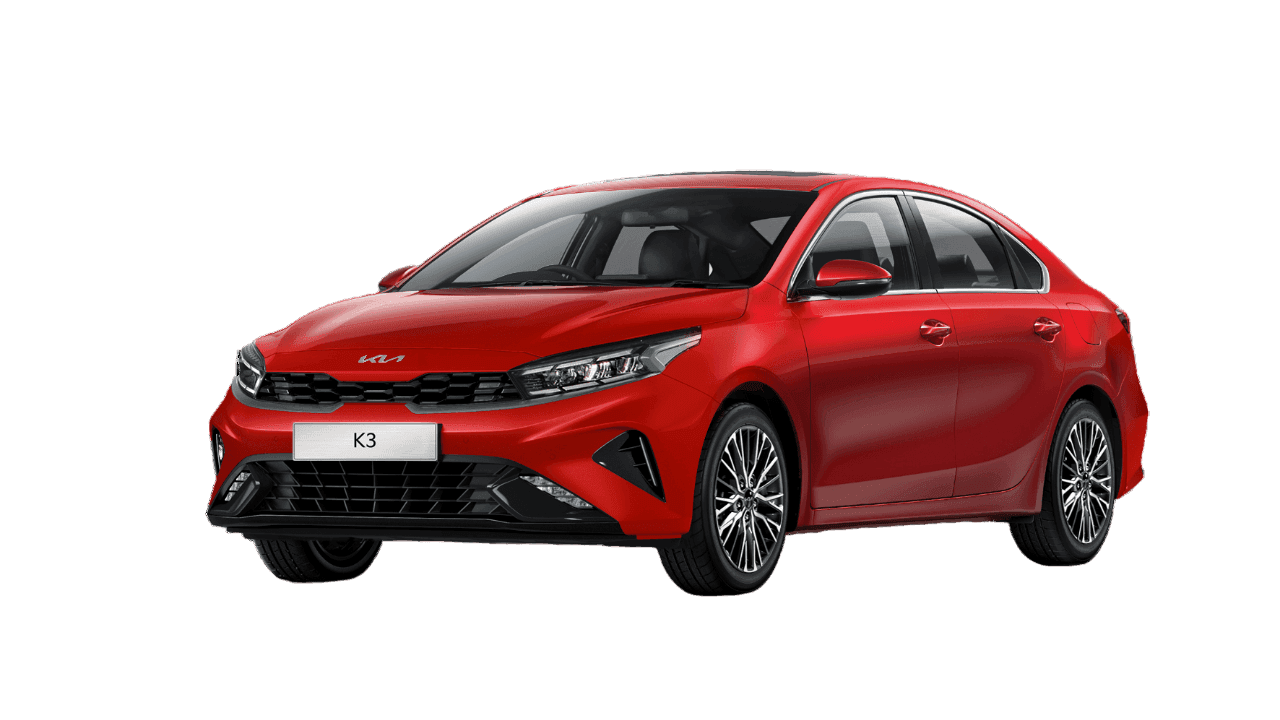 4.8
4.8or similar Sedan
From
607,000 ₫ / day
 4.7
4.7or similar economy
From
557,000 ₫ / day
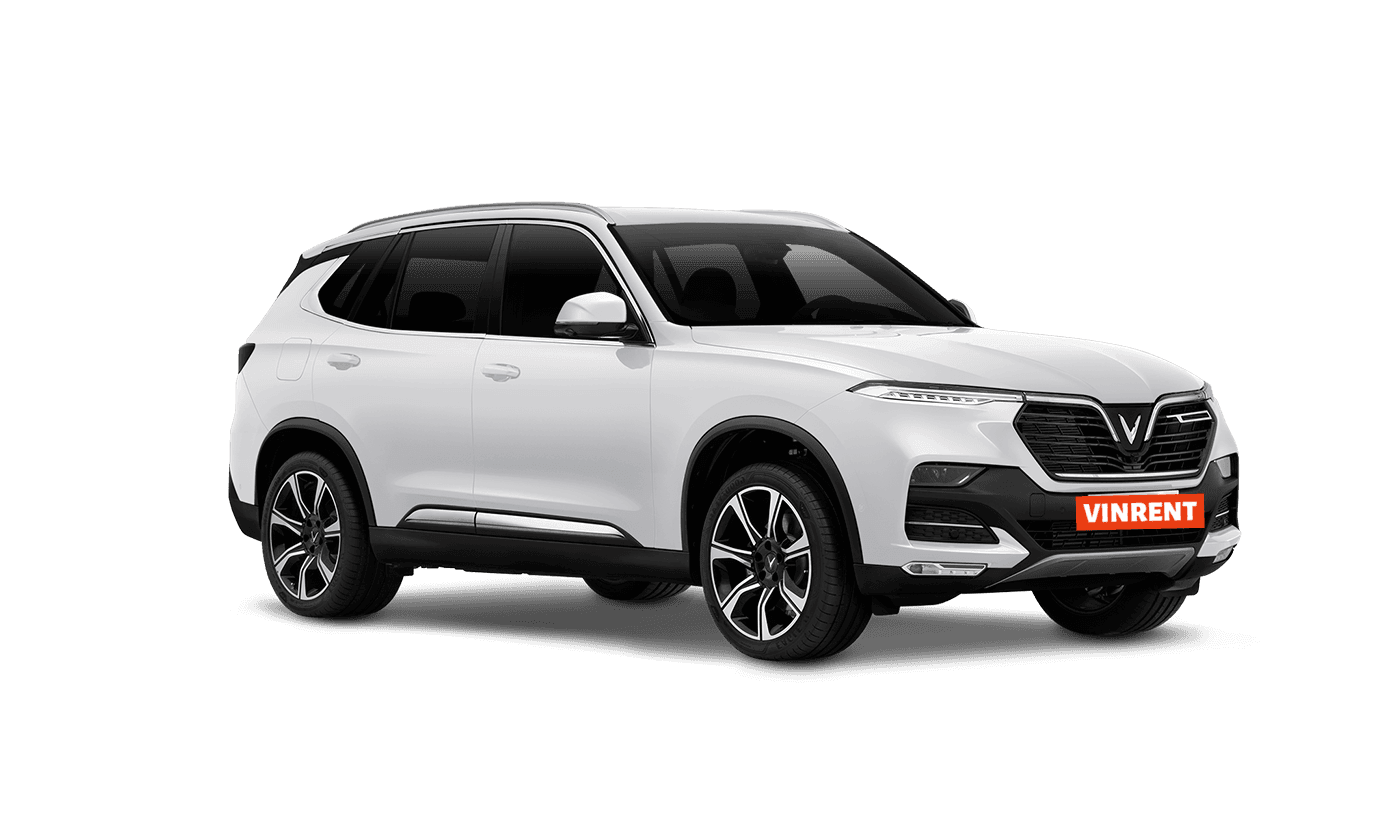 4.5
4.5or similar SUV
From
736,000 ₫ / day
 4.7
4.7or similar Sedan
From
607,000 ₫ / day
 5.0
5.0or similar Sedan
From
607,000 ₫ / day
 5.0
5.0or similar SUV
From
736,000 ₫ / day
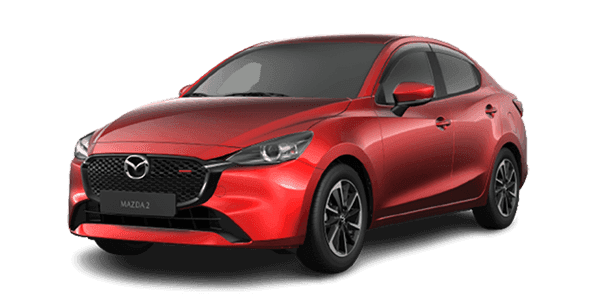 4.5
4.5or similar economy
From
557,000 ₫ / day
 4.8
4.8or similar Van
From
643,000 ₫ / day
 4.8
4.8or similar SUV
From
639,000 ₫ / day
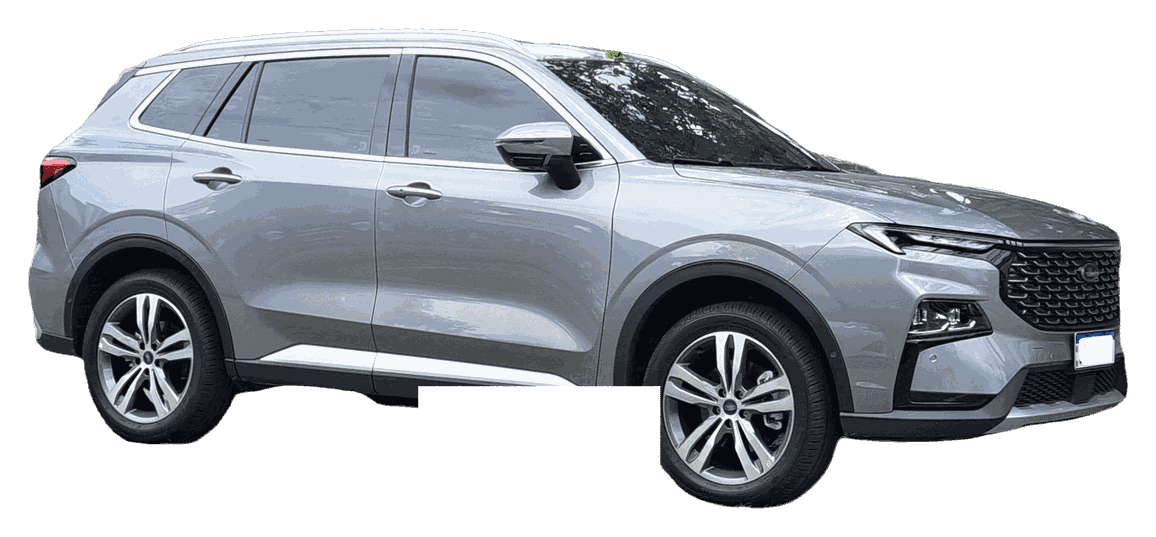 4.6
4.6or similar SUV
From
639,000 ₫ / day
 Electric4.9
or similar economy
From
479,000 ₫ / day
Pick a plan at checkout — Premium needs no deposit.
No office in this city — we bring the car to your address or the airport, price shown up front.
Reach a real person on Telegram or Zalo.
See rental, extras, delivery and tax before you pay.
Cancel free within 24 hours of booking.
Well-maintained cars, checked before every trip.
Browse the fleet and pick the car that fits your trip.
Select your dates, add any extras, and confirm — no account needed.
Get your car at the airport or your hotel and hit the road.
Da Lat by car: pine passes, coffee terraces and air you need a jacket for
Da Lat is the one Vietnamese city where you pack a jacket instead of sunscreen. It sits at about 1,500 metres on the Lang Biang plateau, and the difference is immediate: pine forest instead of palms, mornings that hover in the low teens, and greenhouses that glow across the valley after dark like a second town. The French built it as a hill station to escape the coastal heat, and the place still keeps that character — shuttered villas, a lake in the middle, coffee roasted on the street corner.
It is also a city that spreads. The waterfalls, the tea terraces, the flower farms and the viewpoints sit ten to forty kilometres apart, connected by roads that climb, fold back on themselves and disappear into cloud by late afternoon. That geography is the whole argument for a car.
On a motorbike the plateau is beautiful for an hour and punishing for a day: the fog is wet, the descents are cold, and the rain arrives without negotiation. In a car the same route is a pleasure — you keep the heating on, the camera dry and the kilo of Cau Dat coffee you did not plan to buy safely in the boot.
Distance is the other half of it. A taxi to the tea hills and back costs more than half a rental day, and it waits on the meter while you wander. With your own car the plateau opens up: sunrise above the clouds, an unhurried lunch at a farm, an afternoon detour to a waterfall nobody queued for.
Two ways, both straightforward.
At Lien Khuong Airport. The airport is around thirty kilometres south of the centre on QL20 — a fast, well-surfaced road. Send us your flight number and the car is waiting when you land, which matters on an evening arrival when the town is already in fog.
At your address. Hotel, homestay, a villa up a lane in Ward 3 — tell us where and when, and we bring the car to the door.
One honest note about how this works. Our fleet is based in Nha Trang, and every Da Lat car is driven up the mountain for you before your rental starts. That is why booking a day or two ahead is genuinely better than asking on the morning of, and why the handover has a price of its own — you will see it in the total before you confirm anything, never as a surprise at the counter.
If you are coming from the coast, the drive itself is one of the best in the country. QL27C crosses the Khanh Le pass — locals call the long spiral section Omega — and takes you from sea level to the plateau in about 140 kilometres and four unhurried hours.
Plan it as a day, not a transfer. You climb through three climates: coastal heat, a band of permanent cloud where the windscreen goes white and waterfalls drop straight onto the road, and then pine forest and sun on the far side. There are places to stop and there is no reason to hurry past them.
We keep a separate guide to that route with the stops worth making, and it pairs naturally with a Da Lat rental — many people drive up, keep the car for the plateau, and come back down a different way.
Da Lat rewards a calm driver and punishes a hurried one. A few things worth knowing before your first descent:
Fog is the local weather, not an event. It settles in the early morning and again from late afternoon. Use low beams — high beams bounce off the water in the air and blind you rather than the road.
Use the gearbox on descents. Prenn and Mimosa drop a long way in a short distance. Hold a lower gear and let the engine brake; riding the pedal all the way down heats the brakes and fades them exactly when you need them.
Expect farm traffic. Trucks loaded with vegetables and flowers work these roads at all hours, and they take the inside of a hairpin because they must.
Red clay is slippery. In the rainy months, tracks leading to farms and viewpoints carry mud onto the tarmac at the junction. Slow before the turn, not in it.
Parking is tight in the centre. Around the market and the lake it is genuinely difficult on weekends; most hotels have a yard, and it is worth asking when you book the room.
Lang Biang — twelve kilometres north, the mountain the plateau is named after, with a jeep track to the upper viewpoint.
Tuyen Lam lake and Truc Lam monastery — pine, water and silence, twenty minutes from the centre.
Cau Dat tea hills — about twenty-five kilometres east. Go before dawn: the terraces sit above a sea of cloud, and by nine it has burned off.
Waterfalls — Datanla close to town, Prenn on the way in, Elephant Falls to the southwest, and Pongour about forty kilometres out, which is the one worth the drive.
Flower and coffee farms — many will show you the drying beds and sell you a bag straight from the source. Bring the boot.
Further afield — Da Lat to Mui Ne through Di Linh drops you back to the coast and the dunes; Da Lat to Nha Trang returns you over the pass.
For two people staying mostly in town, an economy car is the sensible answer — small is an advantage in the old lanes and the parking is easier.
For a family with luggage, a seven-seater earns its keep; the plateau is where people buy things, and a full boot is the normal end state of a Da Lat trip.
If the tea hills and farm tracks are on your list, a little more ground clearance is worth having. And if you are not used to mountain roads, take an automatic — one less thing to manage on a hairpin in fog.
Your national driving licence together with an International Driving Permit, and your passport. There is a minimum driver age, and the protection options and the deposit are laid out in the booking flow, so you can see exactly what you are agreeing to before you pay anything.
November to March is the dry season and the plateau at its clearest — cold at night, bright by day.
June to September brings afternoon rain: mornings are usually fine, so plan the driving early and the cafés late.
Tet and the flower festival fill the town. Both are worth seeing and both need booking well ahead — the plateau runs out of cars long before it runs out of visitors.
Yes, both. Give us your flight number for an airport handover, or an address — hotel, homestay, villa — and we bring the car to the door. Our fleet is based in Nha Trang and every Da Lat car is driven up the pass before your rental starts, so booking a day or two ahead is better than asking the same morning. The handover has its own price and you see it in the total before you confirm.
About 140 kilometres and roughly four unhurried hours on QL27C over the Khanh Le pass. Treat it as a day out rather than a transfer: you climb from sea level to around 1,500 metres through a permanent cloud band where waterfalls drop onto the road, and there are stops worth making on the way.
No. The passes and the roads to the main sights are paved and an ordinary car handles them. A little more ground clearance helps if you plan on the tea-hill and farm tracks, and an automatic is worth taking if you are not used to mountain roads — one less thing to manage on a hairpin in fog.
It rewards a calm driver. Fog settles early in the morning and again from late afternoon — use low beams, since high beams reflect off the water in the air. On the long descents hold a lower gear and let the engine brake instead of riding the pedal. Expect vegetable and flower trucks taking the inside of hairpins, and in the rainy months watch for red clay carried onto the tarmac where farm tracks join the road.
An International Driving Permit (IDP, 1968 Vienna Convention) together with your national licence, or a licence issued by an ASEAN member state — plus your passport. There is a minimum driver age, and the protection options and the deposit are set out during booking so you can see exactly what you are agreeing to before paying anything.